250 Years Freedom Embroidery Eagle PNG
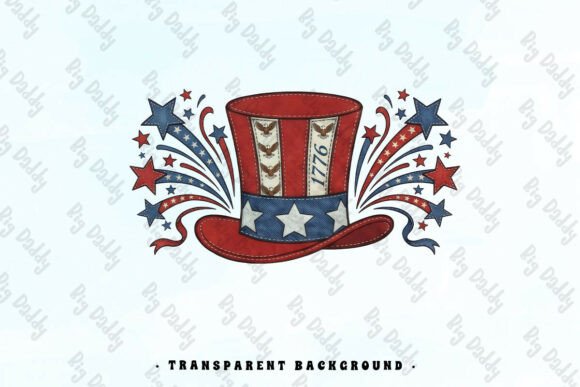
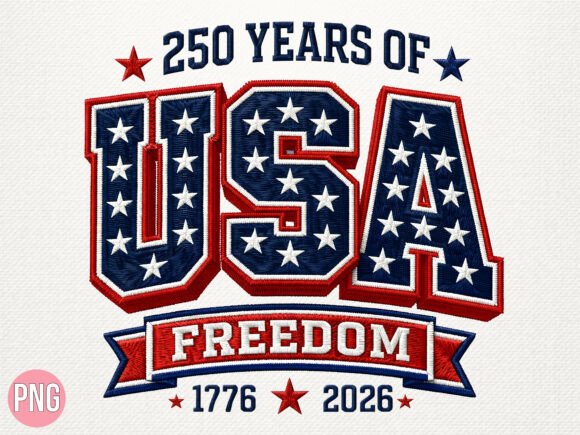
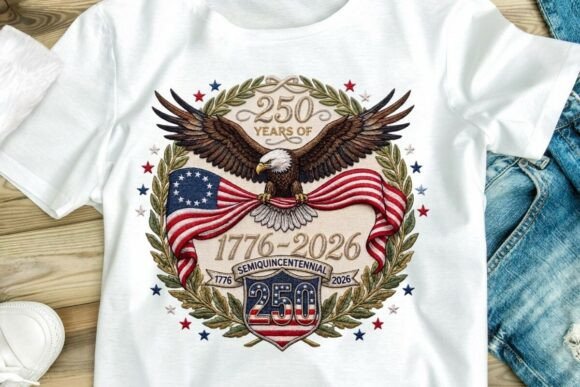
I have spent years reviewing digital assets for my own studio and for clients who run bustling Etsy shops. When I first opened the 250 Years Freedom Embroidery Eagle PNG, my immediate reaction wasn't about the technical specs; it was about the vibe. This isn't a stiff, corporate vector. It has a pulse. The distressed faux embroidery style gives it that worn-in, vintage aesthetic that is currently dominating the handmade market. It feels like something you would find in a curated antique shop or on a high-end boutique t-shirt rather than a generic big-box store item.
The visual personality of this design screams "heritage" but with a modern twist. For a designer, that balance is everything. If a design looks too old-fashioned, it alienates younger buyers. If it looks too new, it loses the historical weight required for a Semiquincentennial theme. This file hits that sweet spot perfectly. The layout suggests a strong central focal point, likely an eagle motif, rendered with intentional texture that mimics the look of thread breaks and fabric wear. It creates an instant mood of rugged patriotism without being overly loud.
From Screen to Stitch: A Real-World Scenario
Let's talk about how this actually performs when it leaves the screen and goes into the hoop. I recently had a client asking for a custom line of tote bags for a local history museum gift shop. They wanted something to commemorate the upcoming 250th anniversary, but they didn't want the standard, glossy clip-art look. They needed something that felt authentic to the craft of sewing itself.
I pulled up the 250 Years Freedom Embroidery Eagle PNG as a reference for the final stitched piece. The idea was to use a heavy canvas tote bag, perhaps in a natural oatmeal color. In my mind, the distressed effect of the design would translate beautifully onto the textured weave of the canvas. The "faux" elements of the graphic suggest that the actual stitching should have some variation in density, which adds depth. Unlike a flat print, embroidery catches light differently, and the rough edges of this design would create subtle shadows that make the eagle pop off the fabric.
Imagine a customer holding that tote bag at a craft fair. They see the texture of the stitches, the slight imperfections that give it character, and the bold statement of the eagle. It elevates a simple $15 tote into a keepsake. That shift in perceived value is exactly what small business owners are looking for. The design doesn't just decorate the product; it tells a story of endurance and freedom, making it perfect for holiday gifts, patriotic events, or even as a unique baby item like a onesie or a nursery pillow cover where parents want something timeless rather than trendy.
Where This Design Shines in Your Inventory
This asset is incredibly versatile, but it has specific strengths that align best with certain types of products. Because of its detailed, textured nature, it thrives on items that can handle a bit of visual weight. Here is where I recommend placing the 250 Years Freedom Embroidery Eagle PNG in your catalog:
- Custom Apparel: Sweatshirts and heavyweight t-shirts are ideal. The distressed style works well against the soft, looped texture of fleece or the sturdy cotton of a tee. It fits the "lived-in" look that consumers love.
- Home Decor: Think pillow covers, kitchen towels, or even throw blankets. The graphic quality makes it a great centerpiece for a living room accent pillow, especially for fall or Fourth of July decor.
- Boutique Merchandise: Aprons for chefs or baristas, patches for denim jackets, and caps. The design has enough detail to stand out on a cap brim or the chest of an apron.
- Digital Assets: For those selling printable mockups or digital design assets, this image serves as a high-quality preview tool. The 300 DPI resolution ensures that your digital listings look crisp on any device.
In each of these scenarios, the design acts as a conversation starter. It signals to the buyer that the maker put thought into the aesthetic, not just the placement. For an Etsy seller, this level of detail helps differentiate their shop from competitors using basic, mass-produced graphics.
Navigating the Challenges: Where to Be Cautious
However, every experienced designer knows that a beautiful file doesn't always guarantee a beautiful stitch-out. There are situations where the 250 Years Freedom Embroidery Eagle PNG requires careful handling. The very features that give it character—its distressed edges and implied texture—can be tricky on certain surfaces.
If you are working with a small hoop size, you need to be wary. The intricate details of the eagle and the surrounding text might get lost if the design is scaled down too much. Tiny lettering or fine lines in the corners of the graphic can become muddy or merge together during the stitching process. Similarly, on stretchy fabrics like jersey knits, the density of the fill stitches required to achieve this look could cause puckering. You must ensure you are using the right stabilizer to support the fabric during the run.
Dark fabrics present another consideration. While the design is likely intended to work with contrasting threads, the "distressed" look relies on negative space and shadow. On a dark background, achieving the same visual impact might require multiple layers of underlay or specific thread colors that aren't immediately obvious in the PNG preview. Additionally, if you are planning to wash these items frequently, dense stitch areas can sometimes trap lint or degrade faster if the thread tension isn't perfectly calibrated.
For curved surfaces like baseball caps, the distortion of the design needs to be accounted for. A flat design might look great on a tote bag, but on a curved cap, the perspective shifts. Always test the digitization or conversion of the PNG to ensure the eagle's head remains upright and the wings don't appear warped.
Practical Notes for the Serious Maker
Before you commit this design to a production run for your commercial embroidery business, there are a few non-negotiable steps I take with every new asset. First, always test the design on scrap fabric that matches your final project material. This allows you to check the stitch density and see how the thread colors interact with the fabric texture. What looks good on a white screen often behaves differently on raw linen or black polyester.
You also need to verify the technical requirements. Does the file come with the necessary machine embroidery format, or do you need to convert it? If you are using this as a guide for manual applique, ensure the satin stitch boundaries are clear. Check whether the design includes instructions for different thread colors, or if you will need to select your own palette to match your brand identity. Confirming the license terms is equally critical; make sure you have the rights to sell finished products made from this design, especially if you plan to list them on platforms like Etsy or Amazon Handmade.
Finally, inspect the small details. Zoom in on the corners of the graphic. Are there any stray pixels that might confuse the digitizing software? Is the contrast between the main subject and the background distinct enough for the machine to follow? By taking the time to review these aspects, you protect your reputation as a professional. A sloppy stitch-out reflects poorly on your brand, no matter how good the original concept was.
The 250 Years Freedom Embroidery Eagle PNG is more than just a graphic; it is a tool for storytelling. When used with care and technical precision, it transforms simple materials into meaningful artifacts. Whether you are creating a personalized gift for a family member or building a robust inventory for your craft business, this design offers a solid foundation for projects that celebrate history while embracing the tactile beauty of handmade goods.