St. Patricks Day Irish Embroidery Review
As an experienced embroidery designer, I spend a lot of time prepping for the weekend craft fair circuit. The difference between a design that sits on the table and one that sells out by noon often comes down to how well it translates from a digital screen to a physical product. Today, I am reviewing St. Patricks Day Irish Embroidery, a digital asset intended for cutting and stitching. My goal is to provide a realistic assessment for Etsy sellers, boutique makers, and creative entrepreneurs who want to turn this Graphics category item into a profitable craft fair product.
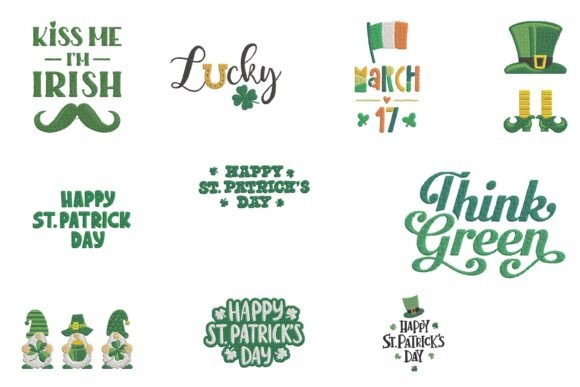
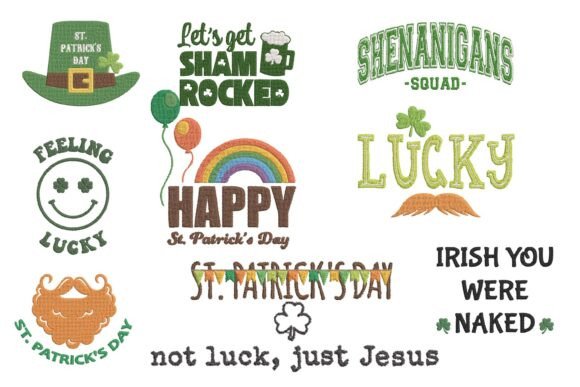
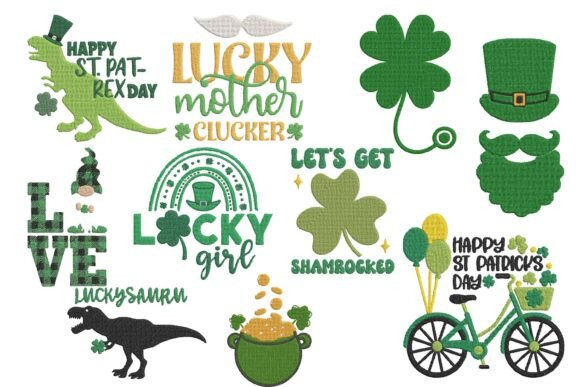
The title suggests a classic approach to the holiday, leaning towards traditional Irish motifs rather than modern minimalism. Based on the description provided, which highlights a high-resolution 4500 x 4500 pixel PNG with a transparent background, the file quality appears robust. This resolution is crucial for maintaining clarity when scaling the design up for large items like aprons or down for small accessories. However, the first impression of any embroidery file depends heavily on the visual weight of the artwork itself. Does it feel bold enough to catch an eye in a crowded booth? Is it cute enough to appeal to families looking for gifts?
First Impressions and Visual Appeal
When I look at St. Patricks Day Irish Embroidery, I am evaluating its potential as a focal point for a handmade display. For a design to succeed at a market, it must communicate its theme instantly. If the artwork features dense patterns or intricate details, it needs to be legible even from a few feet away. The description mentions "100 Quality work," which implies a clean vector-like finish suitable for digitization.
In terms of mood, this design likely bridges the gap between rustic farmhouse charm and festive celebration. It feels premium if the lines are crisp and the composition balanced. A design that feels too cluttered might get lost on a textured tea towel, while one that is too sparse might not justify a higher price point on a tote bag. The key here is versatility. A strong machine embroidery design should work equally well on a soft cotton fabric as it does on a structured canvas. The transparency of the background ensures that you can layer this over different colors without unwanted white boxes, a common frustration for Etsy seller communities dealing with mixed inventory.
Product Potential: Where St. Patricks Day Irish Embroidery Shines
Imagine setting up your booth. You have stacks of tote bag design options, rows of apron embroidery samples, and shelves of kitchen linens. Where does St. Patricks Day Irish Embroidery fit best?
- Tote Bags: This is a top-tier application. The design acts as a statement piece on the front pocket or center panel. Because the file is 300 dpi, it will reproduce beautifully on canvas or heavy cotton, ensuring the stitch density holds up to daily use.
- Apron Embroidery: An apron is a functional gift that sells well during holidays. Placing the design on the bib creates a perfect focal point. The high resolution allows for detailed shading or text that remains readable even after washing.
- Tea Towel Embroidery: These are impulse buy items. The design needs to be scaled correctly so it doesn't overwhelm the towel but still stands out against the weave of the fabric texture. A centered placement works wonders here.
- Embroidered Patch: If you plan to sell patches, the clear edges of the PNG make it easy to trim and apply. Just ensure the design isn't too small, as tiny details can get lost in the backing material.
- Small Pouches and Caps: For smaller items, the design serves as a subtle accent. On a cap, the curvature of the surface requires careful testing to ensure the stitches lay flat without puckering.
- Pillow Covers: A large pillow cover allows the design to breathe. This is excellent for showcasing the full aesthetic of St. Patricks Day Irish Embroidery as a home decor item.
Additionally, creating printable mockups of these finished products is essential for your online listings. High-quality images of the design on real fabrics help customers visualize the final result, increasing engagement and sales.
Practical Production and Selling Considerations
Turning a digital file into a tangible handmade product involves more than just hitting the start button on your machine. As a professional, I always advise checking specific technical details before mass production. The description confirms the file is a PNG, but it does not specify the stitch count, thread colors, or exact hoop size required. These are critical variables that determine the success of the project.
Before committing to a batch, you must test the design on scrap fabric. This step reveals how the stitch density interacts with your chosen material. Dense areas can cause puckering on thin fabrics, while loose areas might look messy on thick denim. Check the thread contrast carefully; a light green design might disappear on a pastel background, whereas a dark green pops against cream. Confirming the hoop size early prevents mid-project errors where the design is too large for your machine's frame.
For commercial embroidery projects, understanding the limitations of the design is vital. If the artwork contains tiny lettering or very fine lines, it may lose clarity when stitched on curved surfaces like caps or on textured towels. In these cases, the design might need to be simplified or resized. Always inspect the stitch density to ensure the design is durable. A design that looks good in a photo might fall apart after a few washes if the underlay isn't correct.
Careful Use Notes for Designers
There are specific scenarios where St. Patricks Day Irish Embroidery might face challenges. If the design includes intricate details that are less than a few millimeters wide, they may not translate well to small products like jewelry pouches or small patches. Similarly, working with dark fabric requires a stabilizer that provides enough support to prevent the stitches from sinking into the material. Thick fabrics like fleece or heavy wool can distort the shape of the design if the wrong stabilizer is used.
Another factor is the visual appeal relative to the product value. A complex design adds perceived value to a small shop product. However, if the design is too simple, it might not command a higher price point unless the craftsmanship is exceptional. Ensure that the design assets align with your brand consistency. If your shop is known for rustic, farmhouse styles, this design should complement that aesthetic perfectly. If your brand is ultra-modern, you might need to adjust the presentation.
To maximize the impact of this design, create at least one real mockup. Photograph the finished product in natural light to capture the true color and texture. Compare fabric colors side-by-side to see which combinations highlight the design best. Finally, confirm commercial licensing before selling finished products. Even though the file is a digital download, the rights to sell items made from it vary by creator. Clear licensing protects your business and ensures you can scale your commercial embroidery operations without legal issues.
Final Thoughts for the Market Seller
St. Patricks Day Irish Embroidery has the potential to be a standout item in your seasonal lineup. Its high resolution and versatile nature make it suitable for a wide range of Graphics applications, from kitchen linens to wearable accessories. By focusing on proper stabilization, thread selection, and strategic placement, you can transform this digital file into a collection of high-quality finished product offerings that customers will love.
Remember, the success of a craft fair product lies in the details. Take the time to test, refine, and present your work professionally. Whether you are selling directly to consumers or supplying boutiques, a well-executed design builds trust and loyalty. With the right preparation, St. Patricks Day Irish Embroidery can become a staple in your handmade catalog, driving sales and delighting buyers throughout the St Patrick S Day season.